©Belal Khaled / Anadolu / Getty
Since the beginning of winter, seven children have died from the cold in the Gaza Strip, according to local health authorities. A landmark report released this month by Physicians for Human Rights (PHR) and the Global Human Rights Clinic at the University of Chicago Law School has sounded the alarm over what it calls “reproductive violence” inflicted on Palestinian women, infants, and families amid the protracted war in Gaza.
The research, based on 78 interviews with international health professionals who worked inside the besieged territory, details a cascade of preventable maternal and neonatal deaths, infertility, and life‑long harm linked to the near‑total collapse of reproductive healthcare systems.
Healthcare Infrastructure in Ruins
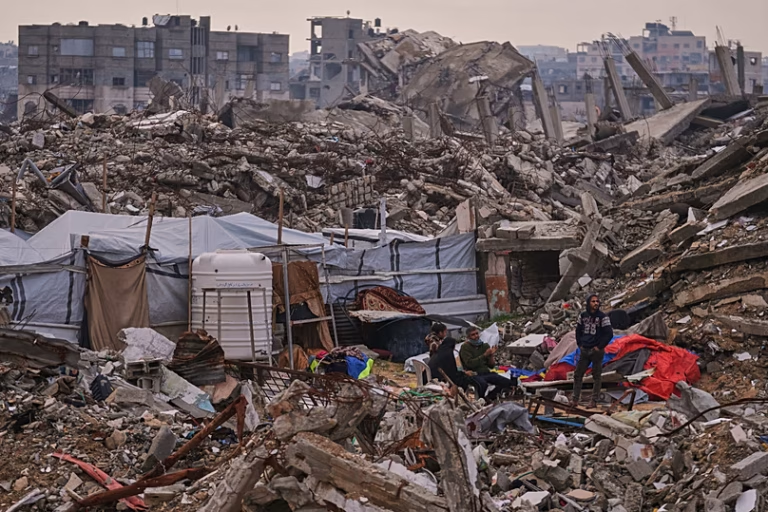
More than two years of intense conflict and restricted humanitarian access have devastated Gaza’s health infrastructure. Hospitals, maternity wards, and neonatal care units lie in ruins, with essential medical equipment for births and emergency obstetric care either destroyed or rendered inoperable. The PHR report notes that damage to facilities, coupled with severe shortages of medicines, sterile supplies, and infant formula, has obstructed fundamental biological processes tied to reproduction and survival.
Clinicians interviewed for the study describe dramatic increases in miscarriages, life‑threatening pregnancy complications, and maternal deaths—all exacerbated by severe malnutrition and lack of access to lifesaving care. Even conditions that are treatable under normal circumstances are proving fatal as women give birth in overcrowded camps or without access to surgical facilities.
Sharp Drop in Birth Rates, Rising Maternal Harm
The Palestinian Ministry of Health reported a stark 41 percent drop in births between May and June 2025 compared with the same period in 2022, alongside more than 2,600 miscarriages and 220 pregnancy‑related deaths. Thousands of newborns are being born prematurely or underweight, with many requiring intensive care that is unavailable due to damaged or inoperative facilities.
These trends signal more than a public health emergency; for some rights groups, they represent a systematic erosion of reproductive capacity. The report highlights how restrictions on medical and nutritional supplies—including baby formula and prenatal medications—have compounded the lethal impact of infrastructure destruction.
“Reproductive Violence” and International Law
Rights advocates and legal experts behind the PHR report, as well as parallel findings by Physicians for Human Rights–Israel and United Nations human rights bodies, contend that these patterns of destruction and denial of basic services amount to “reproductive violence”—acts that interfere with reproductive autonomy and safety. Some international legal analyses argue that, under the Genocide Convention and the Rome Statute, measures intended to prevent births or inflict conditions of life that lead to group destruction fall into legally significant categories.
Central to these claims is the December 2023 strike on the Al‑Basma IVF clinic, Gaza’s main fertility centre, which destroyed thousands of embryos and halted assisted reproduction services for hundreds of families. UN inquiry reports have described such acts as intended, in part, to undermine the reproductive future of Palestinians—a charge rejected by the Israeli government.
Healthcare Infrastructure in Ruins
More than two years of intense conflict and restricted humanitarian access have devastated Gaza’s health infrastructure. Hospitals, maternity wards, and neonatal care units lie in ruins, with essential medical equipment for births and emergency obstetric care either destroyed or rendered inoperable. The PHR report notes that damage to facilities, coupled with severe shortages of medicines, sterile supplies, and infant formula, has obstructed fundamental biological processes tied to reproduction and survival.
Clinicians interviewed for the study describe dramatic increases in miscarriages, life‑threatening pregnancy complications, and maternal deaths—all exacerbated by severe malnutrition and lack of access to lifesaving care. Even conditions that are treatable under normal circumstances are proving fatal as women give birth in overcrowded camps or without access to surgical facilities.
Sharp Drop in Birth Rates, Rising Maternal Harm
The Palestinian Ministry of Health reported a stark 41 percent drop in births between May and June 2025 compared with the same period in 2022, alongside more than 2,600 miscarriages and 220 pregnancy‑related deaths. Thousands of newborns are being born prematurely or underweight, with many requiring intensive care that is unavailable due to damaged or inoperative facilities.
These trends signal more than a public health emergency; for some rights groups, they represent a systematic erosion of reproductive capacity. The report highlights how restrictions on medical and nutritional supplies—including baby formula and prenatal medications—have compounded the lethal impact of infrastructure destruction.
“Reproductive Violence” and International Law
Rights advocates and legal experts behind the PHR report, as well as parallel findings by Physicians for Human Rights–Israel and United Nations human rights bodies, contend that these patterns of destruction and denial of basic services amount to “reproductive violence”—acts that interfere with reproductive autonomy and safety. Some international legal analyses argue that, under the Genocide Convention and the Rome Statute, measures intended to prevent births or inflict conditions of life that lead to group destruction fall into legally significant categories.
Central to these claims is the December 2023 strike on the Al‑Basma IVF clinic, Gaza’s main fertility centre, which destroyed thousands of embryos and halted assisted reproduction services for hundreds of families. UN inquiry reports have described such acts as intended, in part, to undermine the reproductive future of Palestinians—a charge rejected by the Israeli government.
Living Through a Health and Humanitarian Catastrophe
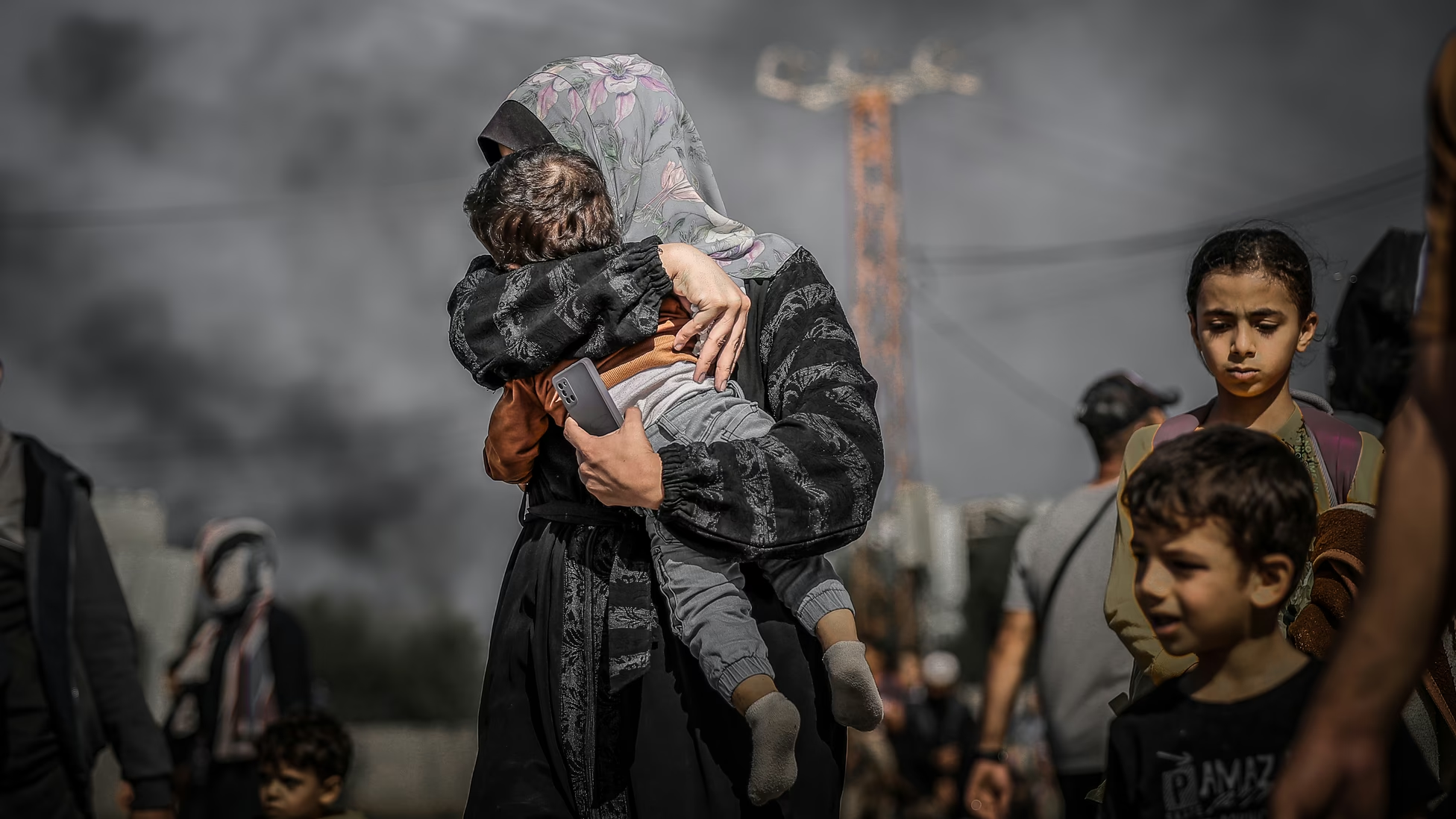
Beyond statistical indicators, the human toll is stark. Pregnant women and new mothers are increasingly displaced, malnourished, and unable to access basic obstetric care. International agencies have documented collapsing services in Gaza City and beyond, with severe shortages of trained staff, functional equipment, and sterile delivery environments escalating the likelihood of preventable deaths.
For healthcare providers on the ground, the situation has reached a bleak inflection point: severe malnutrition among women is contributing to infertility and other reproductive harm, and clinicians report seeing cases of critical complications that would be treatable elsewhere quickly become fatal under the current crisis conditions.
Calls for Accountability and Aid
The PHR report concludes with urgent recommendations for expanding humanitarian access, restoring reproductive health services, and advancing independent investigations into alleged violations of international humanitarian and human rights law. Advocates are also calling on states and international institutions to prioritise maternal and newborn health in Gaza as a matter of both urgent relief and long‑term justice.
As the genocide drags into its third year, women in Gaza face not only the daily threat of violence but a chronic dismantling of the health systems essential to life’s beginning, a reality that experts warn will continue to have consequences for generations to come.
Read the PHR report here or download below:
Source: Physicians for Human Rights and the Global Human Rights Clinic at the University of Chicago Law School
Discover more from The New Palestine Post
Subscribe to get the latest posts sent to your email.