©Getty
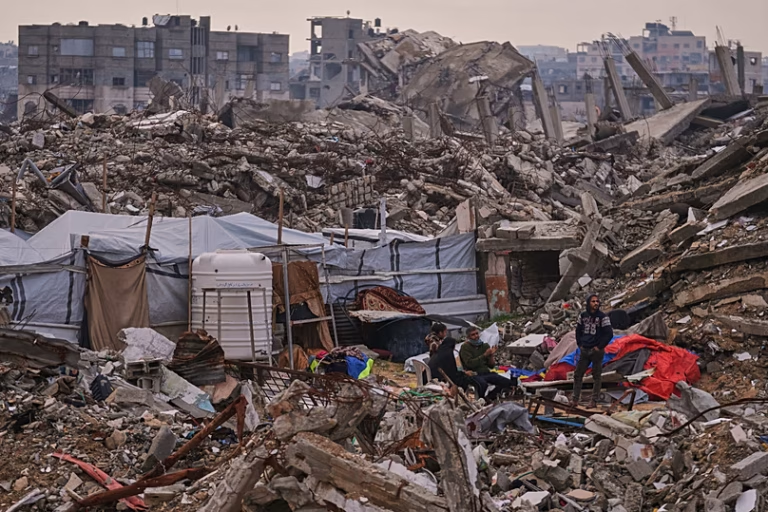
The Israeli Military have issued a widespread evacuation order for all residents of Gaza City, a directive that is proving to be a logistical and humanitarian challenge of immense proportions. The economic and human costs of this particular displacement are drawing significant attention.
A central issue is the prohibitive financial burden placed on families. Reports indicate that the cost of evacuation is beyond the means of many, with a single family’s moving expenses, including transportation, shelter, and other necessities, potentially exceeding $3,500. Specific costs cited include $1,000 for a tent and $2,000 for a ride to Khan Yunis, a city in southern Gaza. These figures are particularly staggering given that many residents have already been displaced multiple times, leaving them with severely strained resources.
Beyond the financial barrier, the evacuation order is fraught with logistical challenges. The cost is only one dimension of the problem; other critical factors include the availability of transport, the passability and safety of roads, and the scarcity of basic necessities like tents, water, and sanitation. Even for those who could theoretically afford the move, these logistical impediments could make evacuation impossible or dangerously difficult.
This situation has created a profound humanitarian crisis. The sheer scale of displacement, combined with the exorbitant costs, increases the vulnerability of families. They face a high risk of being unable to find secure shelter, proper supplies, adequate food and water, or uninterrupted medical care. This raises pressing questions of equity and justice, as the poorest and most marginalized members of the community are suffering the most, unable to afford the means to secure their own safety.
Additionally, the psychological toll on the population is immense. Being told to uproot one’s life again, often without savings, without a guarantee of stable shelter, and with the likelihood of not being able to return, leads to a profound sense of loss. People are losing not only their homes but also their livelihoods, their social networks, and a sense of stability.
©TNPP
Discover more from The New Palestine Post
Subscribe to get the latest posts sent to your email.